The Detroit Tigers' Innovation
In 1901, the Detroit Tigers added a tiger emblem to their baseball caps, a small innovation that left a profound impact on the fashion world, prompting baseball caps to become a symbol of street culture. Two years later, this tiger emblem was replaced by the Gothic-style "D" letter, which still adorns the team's baseball caps to this day.
Over time, baseball caps gradually broke free from the confines of the stadium, reaching every corner of the streets to become the "crown for commoners," transcending class, culture, and background. From cab drivers to stars performing passionately for 200,000 fans at music festivals, baseball caps, with their unique charm, have become a fashion emblem accessible to everyone, symbolizing individuality. As New Era states: "This cap truly embodies the spirit of equality, allowing wearers to feel a sense of honor and belonging."

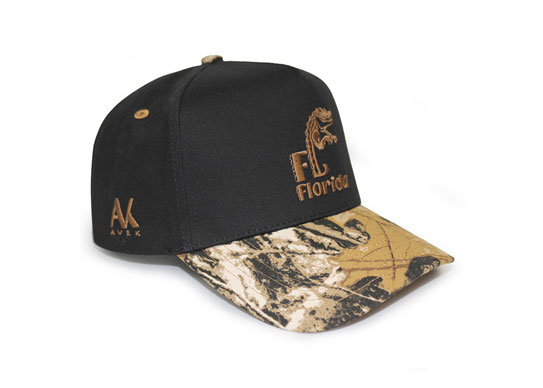
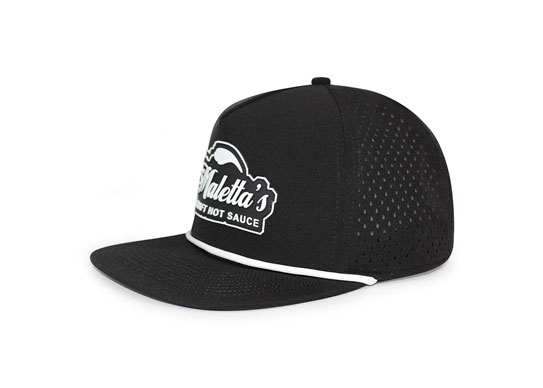
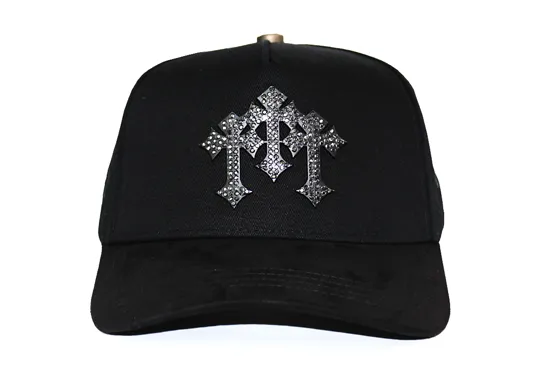
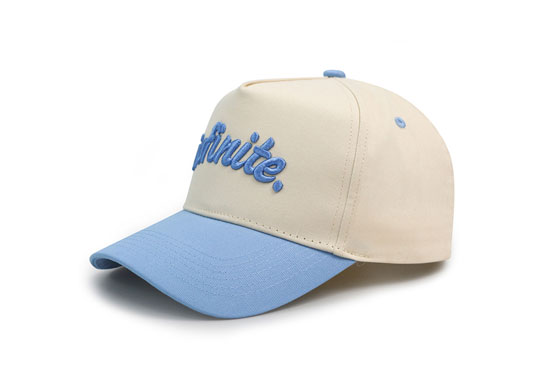
In the 1990s, baseball caps transcended their original role as mere sports accessories and gradually integrated into the symbolic system of Hip-hop culture. While their easy-to-pair appearance and practicality were important, more crucially, they bore significant functionality in identity recognition and attitude expression within street culture — a trend that has only grown with the popularity of the custom logo baseball cap, allowing individuals and brands to showcase unique identity through personalized designs.
East Coast and West Coast Cultures and Baseball Caps
In bustling streets and alleys, baseball caps became a unique means of communication. A single cap could convey a wealth of information, possibly revealing the wearer's hometown pride, supporting community, and cultural groups. For example, the New York Yankees' baseball cap and the Los Angeles Dodgers' baseball cap represent different cultural styles—the East Coast’s NY Yankees and the West Coast’s Los Angeles Dodgers.
Globalization of Baseball Caps and Cultural Expression
Baseball caps symbolize the rich cultural heritage of the East Coast and witness the global blending and innovation of Hip-hop culture. On streets and alleys, they became a medium for expressing individuality and cultural identity. Whether MCs or graffiti artists, they reinforced their expression of Hip-hop culture through baseball caps. These caps, in various colors and styles, not only reflect the diversity of Hip-hop culture but also highlight each person's unique personality.

Design Features and Practical Functions
In 2025, the TNO brand introduced a new baseball cap ingeniously adopting a 6-panel design. This design was meticulously crafted according to the wearer's head shape, ensuring wearing comfort and endowing the hat with a unique structural beauty. Compared to earlier designs, the 6-panel baseball cap looks more modern and stylish, perfectly blending athletic style with street trends, making it a functional and comfortable fashion item.
Cultural Impact of Baseball Caps
During the peak of Hip-hop culture, the 6-panel baseball cap became a favorite in the fashion world due to its unique charm. The 6 panel ball cap not only provided practical protection for athletes but also became an essential medium for cultural expression. Artists used color combinations and carefully designed patterns and letters to showcase their unique identities and personalities.
Cultural Conflict and Misunderstanding
Historically, baseball caps have faced exclusion due to biases against specific groups, being banned in high-end venues like nightclubs, highlighting the social prejudices they encountered as symbols of street culture. In 1999, some nightclubs in New York began prohibiting patrons who wore baseball caps from entering. This measure ostensibly maintained the "elegant" image of the nightclubs but subtly revealed implicit discrimination against street culture and certain racial groups.
Localization of Street Culture
In the localization process, street culture faced conflicts, such as Beijing nightclubs refusing entry to those wearing baseball caps, reflecting misunderstandings and class cultural prejudices towards street culture. This phenomenon indirectly reveals how baseball caps were misinterpreted and closely linked with class and cultural biases, uncovering the challenges and adaptation of street culture in different cities and cultural backgrounds.
From their popularity on the fields since the early 20th century, to their golden era in street fashion, and now to our contemporary reinterpretation of this classic item, baseball caps have always retained their unique charm and broad adaptability — a quality that top headwear manufacturers China continue to leverage by producing innovative, high-quality designs for global markets. They have surpassed the boundaries of apparel to become a canvas showcasing self-expression and cultural fusion. Baseball caps have witnessed historical changes, carrying countless stories, and continue to speak for street culture under the profound influence of globalization, becoming important symbols of attitude and identity expression.